2024 Lake Erie Harmful Algal Bloom Seasonal Assessment

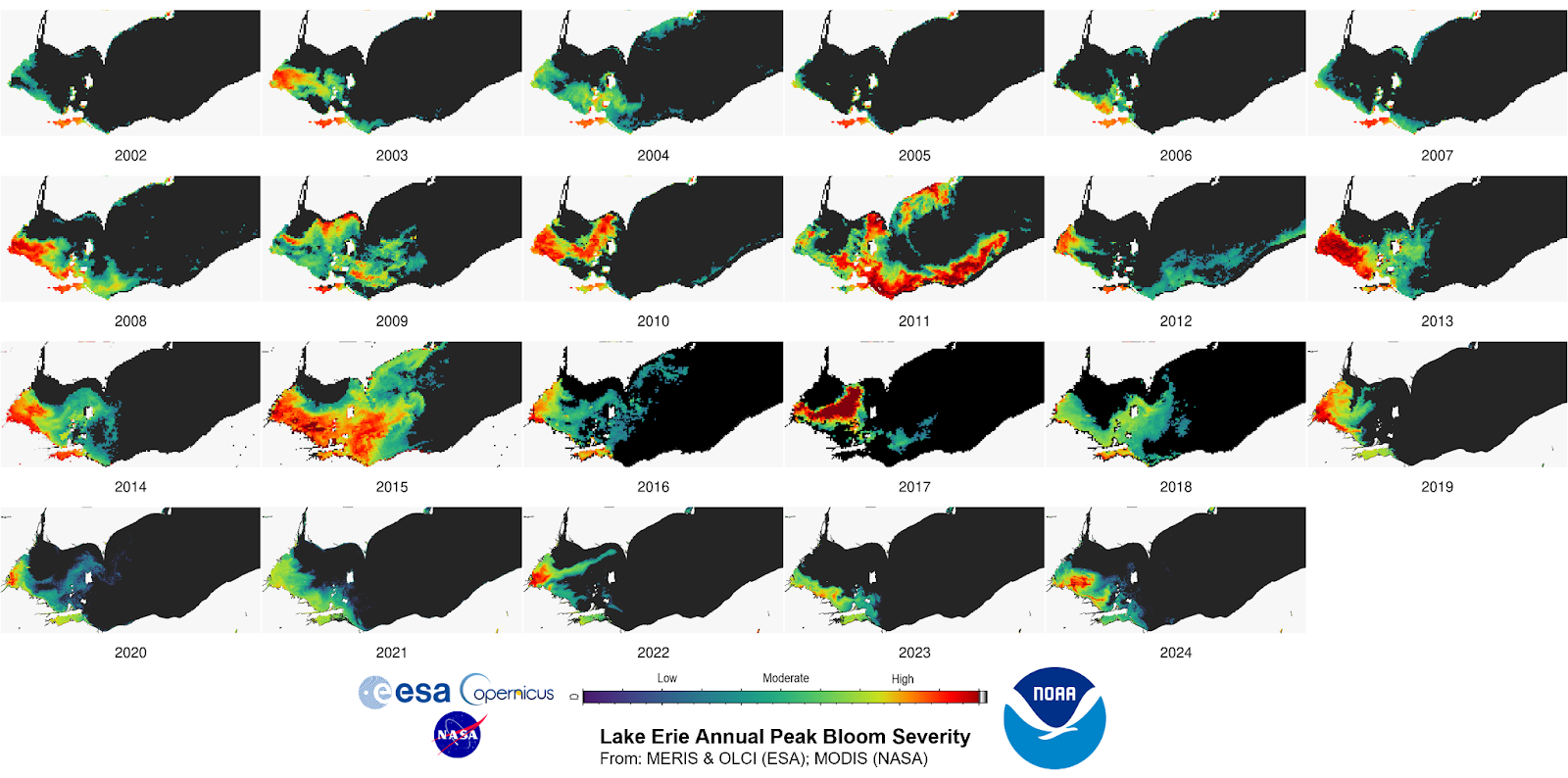
The 2024 western Lake Erie cyanobacterial bloom had a severity index (SI) of 6.6, which is moderately severe, and more intense than 2023 (SI of 5.3). The SI captures the amount of biomass over the peak 30-days of the bloom, calculated using satellite imagery. Bloom severity was slightly above the seasonal forecast issued on June … Read more

2024 Lake Erie Hypoxia Forecast Ends First Fully Functional Season

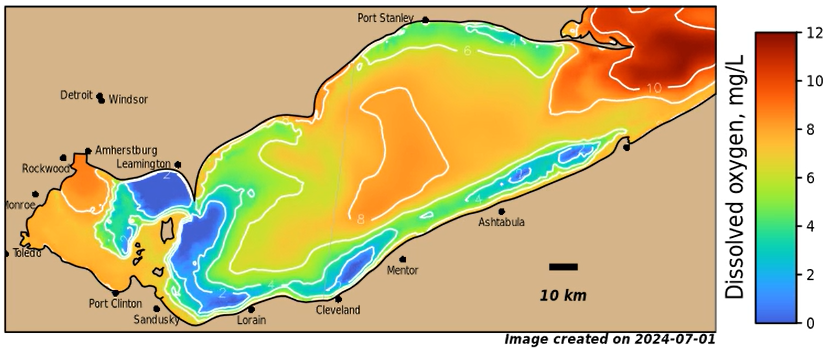
The central basin of Lake Erie provides drinking water to more than 2 million Ohio residents. During the summer, the lake stratifies, with warm water on the top and cold, dense, water near the bottom. Oxygen in this deep water is used up, resulting in low oxygen, or hypoxia. The low oxygen water not only … Read more

Critical Research on Coral Reproduction During the Annual Spawning Event of Four Caribbean Coral Species

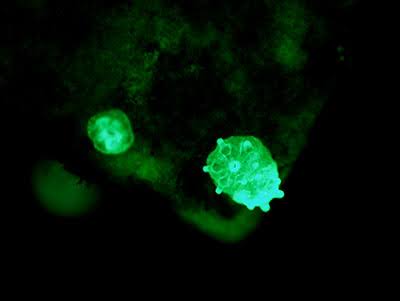
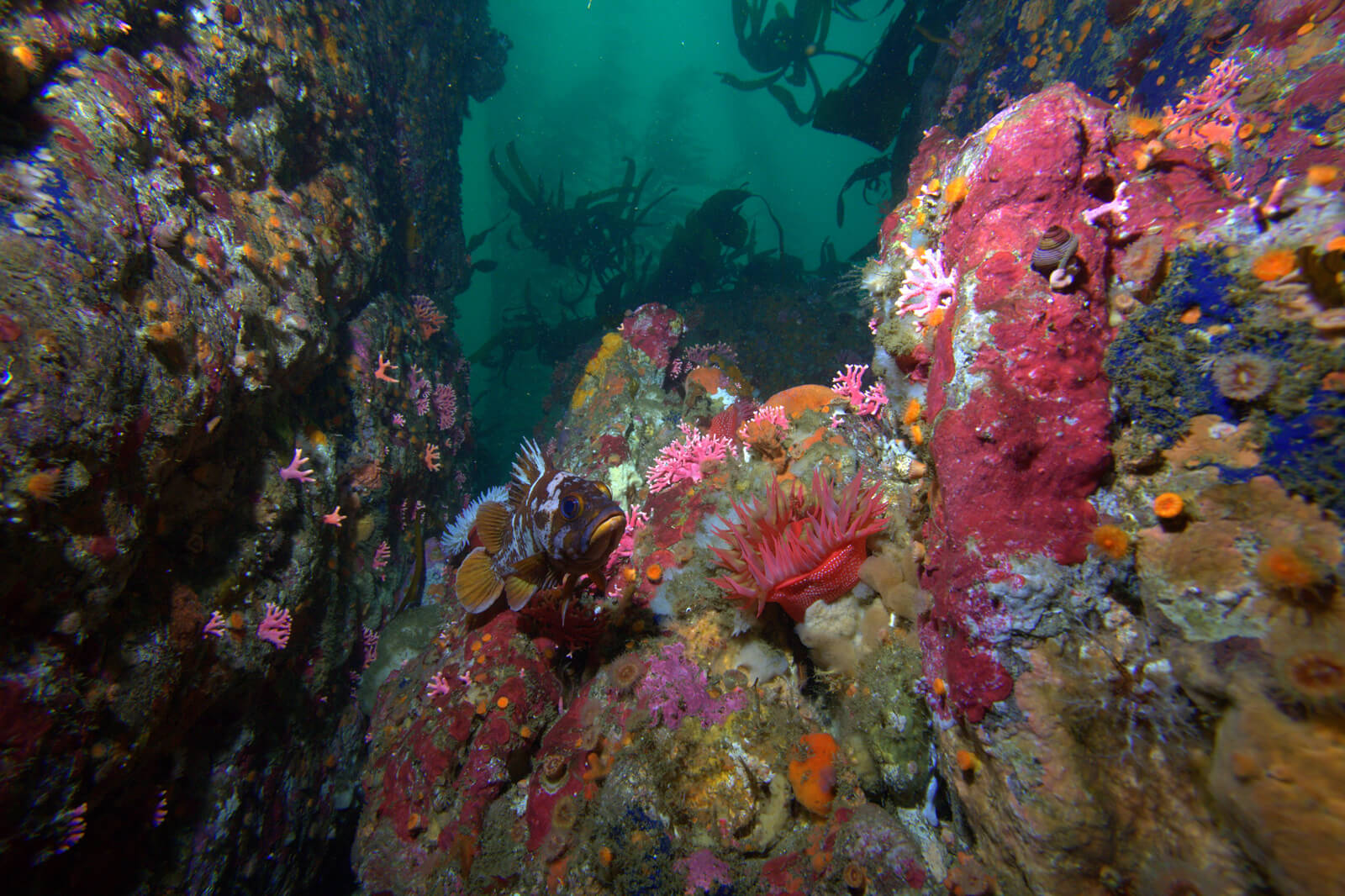
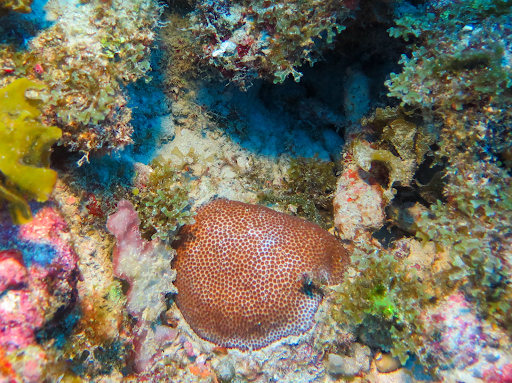
NCCOS scientists collaborated with partners at The Florida Aquarium (TFA) and the University of North Carolina, Wilmington (UNCW) to test different methods to improve fertilization rates and how exposure to stressors, such as elevated nutrients, may affect fertilization survival, development, and behavior of corals. As water temperatures along the Florida coast continue to soar, wild … Read more

Understanding Socioeconomic Connections to Coral Reefs in Guam, Round Two

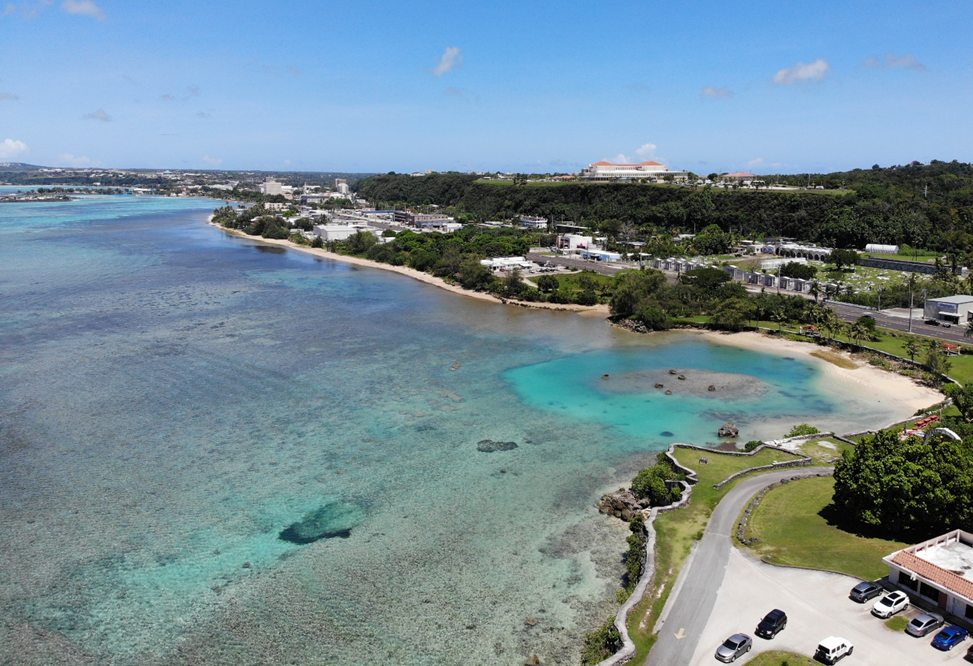
The Socioeconomic Component of the National Coral Reef Monitoring Program (NCRMP) gathers and monitors a collection of socioeconomic data in seven U.S. coral jurisdictions. The team continued its second monitoring cycle with data collection in Guam in 2023, and recently released their report of summary findings along with two new infographics. The report outlines current … Read more

How Should Coastal Resilience be Defined?

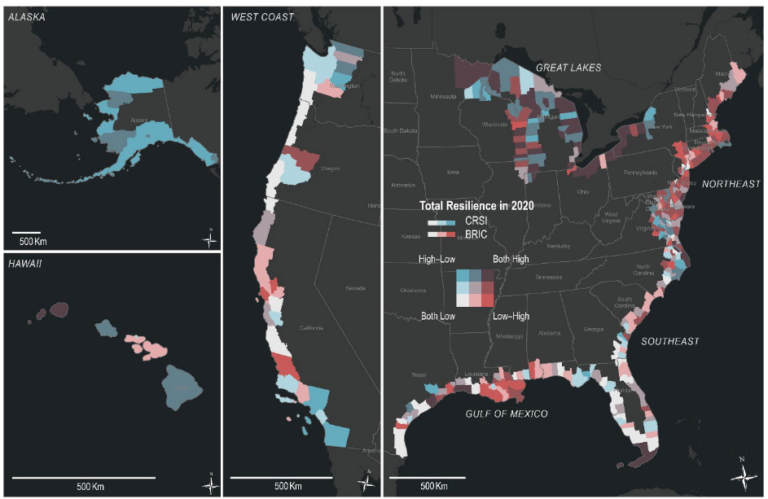
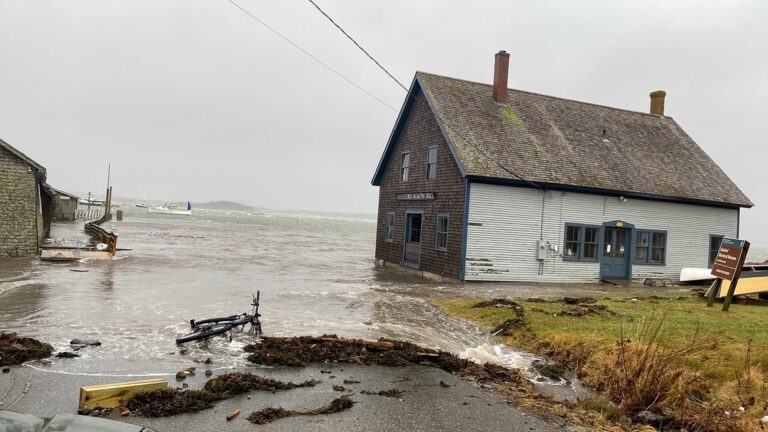
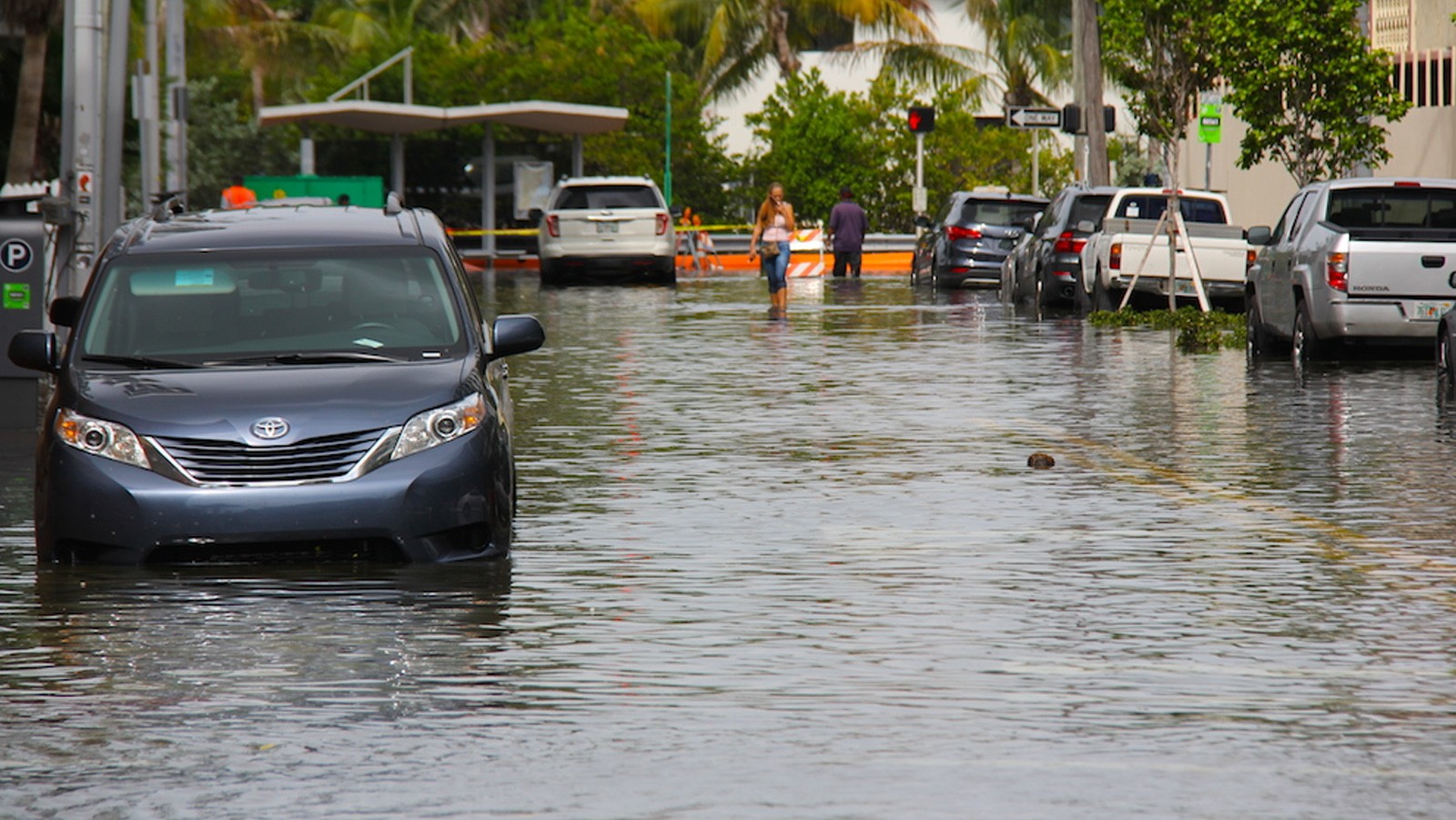
NCCOS scientists have published Understanding Resilience in Communities Across the U.S. Coastline, which compares different metrics for measuring the resilience of coastal communities across the Nation. This document builds on a portfolio of efforts in risk management, disaster preparedness, and climate readiness across NOAA by identifying metrics that can be used to better target place-based … Read more

Scientists Test Alaska Salmon for Harmful PFAS Chemicals (Video)

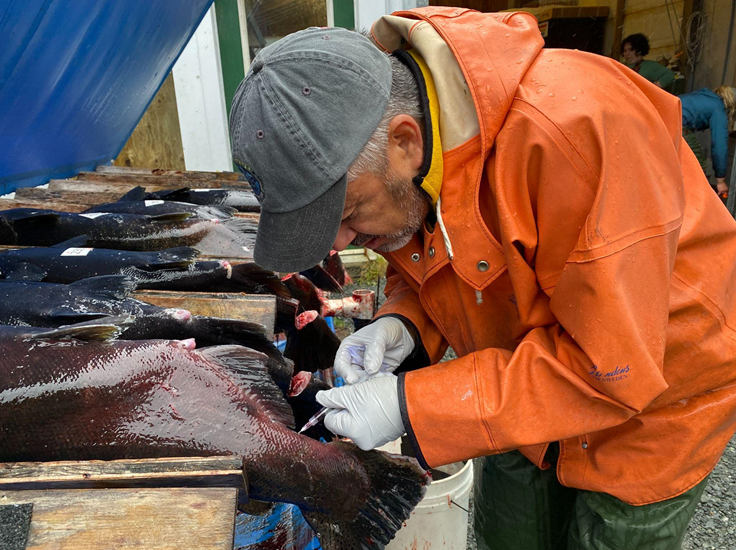
Last month, NOAA researchers sampled salmon in southeast Alaska as part of an ongoing project to monitor per- and polyfluoroalkyl substances (PFAS) in the region’s fisheries. Known as “forever chemicals” because some are estimated to take over 1,000 years to decompose, PFAS have been linked to a wide range of health problems in people, including … Read more

Celebrating 125 Years of Science at the NOAA Beaufort Lab (Video)

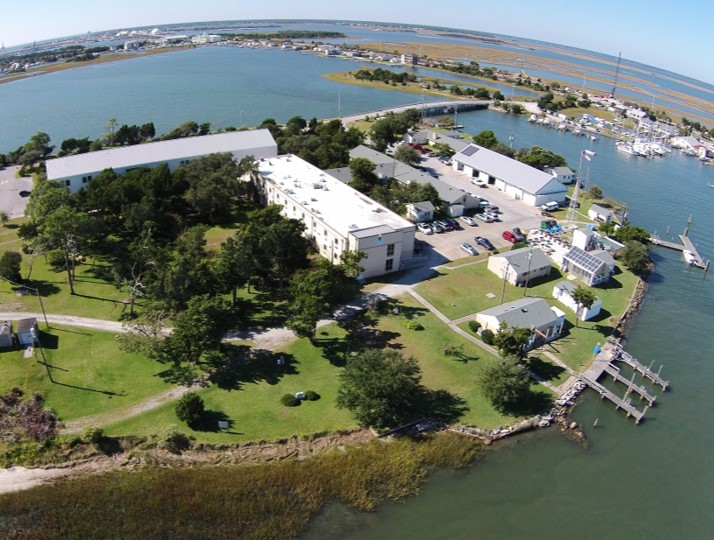
The Beaufort Laboratory in North Carolina is celebrating its 125th Anniversary this year! As the second oldest federal marine science laboratory in the nation, NOAA’s Beaufort Lab predates the establishment of NOAA by just over 70 years. Founded in 1899 as part of the United States Fish Commission, one of NOAA’s predecessor agencies, NOAA’s Beaufort … Read more

Innovating Coastal Resilience: Popular Marsh Model Now Converted to Python

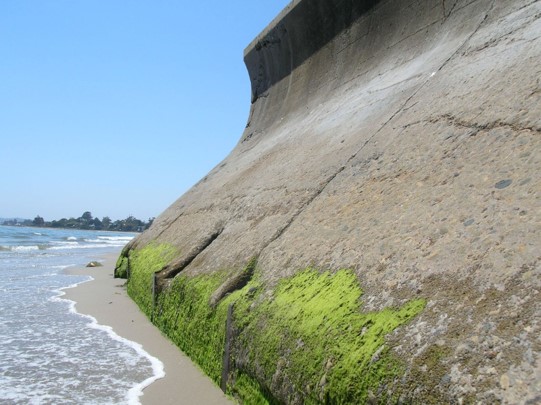
NOAA’s National Centers for Coastal Ocean Science (NCCOS), in collaboration with Warren Pinnacle Consulting, Inc., has successfully converted the popular Sea Level Affecting Marshes Model (SLAMM) to Python, a widely-used and versatile programming language. This open-source model, now called pySLAMM, marks a significant step forward in marsh modeling utility, promoting model advancements and broadening the … Read more

Strengthening Coastal Resilience and Aquaculture with Gullah/Geechee Communities in the Southeast

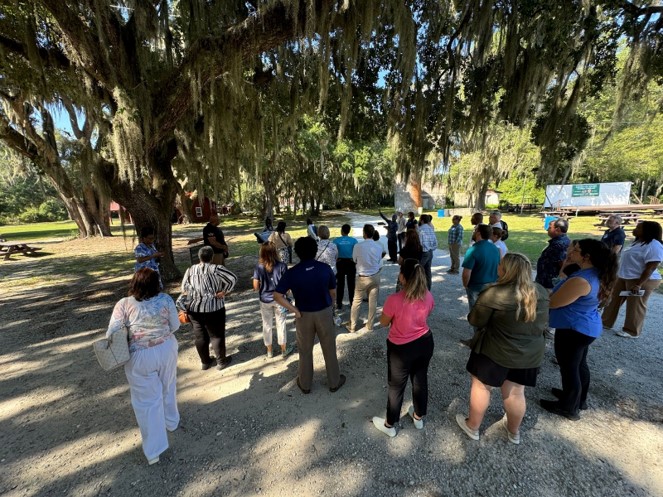
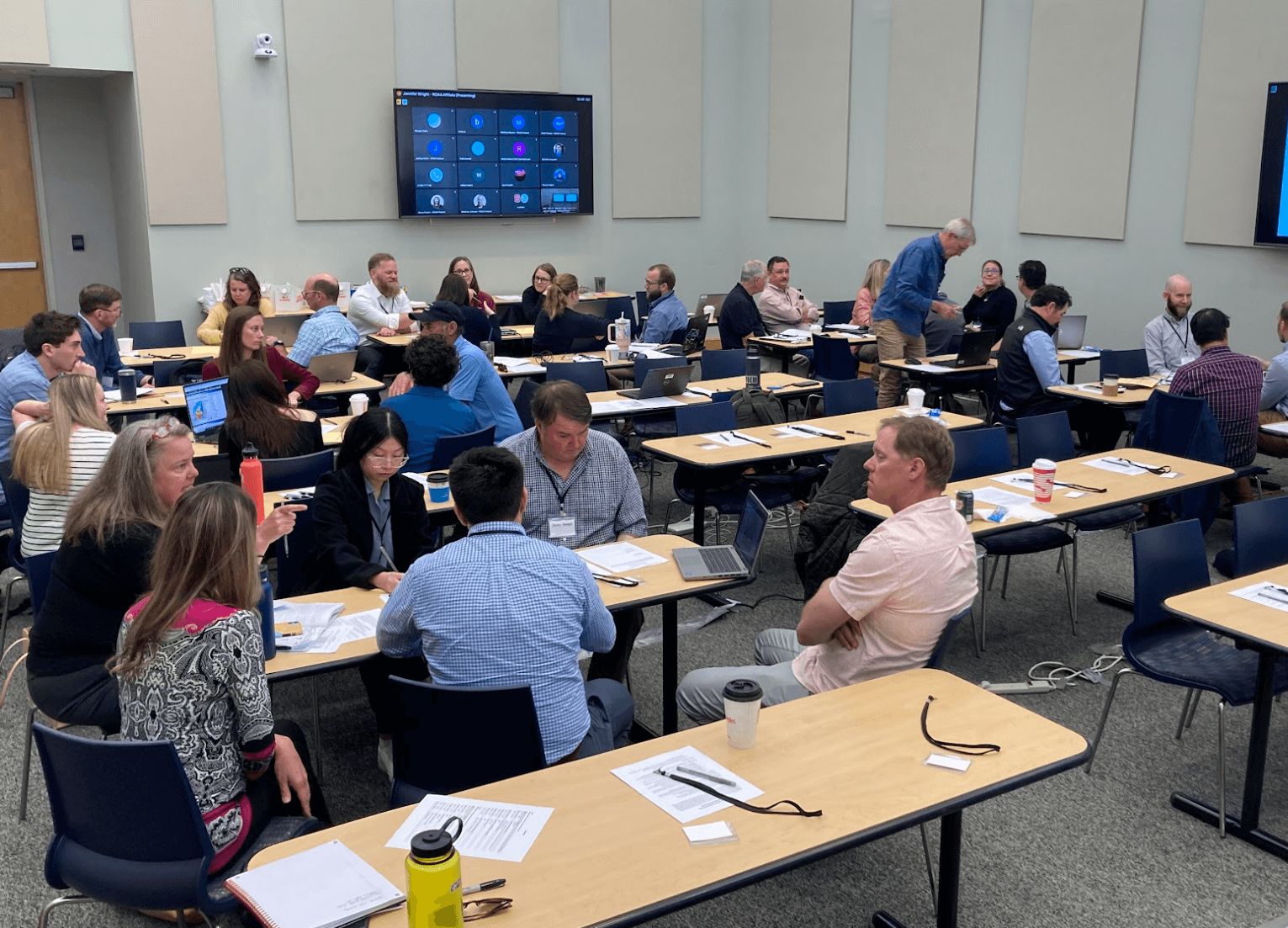
NOAA’s Southeast and Caribbean Regional Team (SECART) hosted their fiscal year 2024 workshop at the Historic Penn Center on St. Helena Island, South Carolina. This pivotal workshop unified a diverse array of stakeholders and management professionals. This event facilitated a deeper understanding of traditional Gullah/Geechee fishing and mariculture, while also providing crucial information on funding … Read more

Regional Ecosystem Research Program Announces FY25 Federal Funding Opportunity

The NCCOS Competitive Research Program, in cooperation with NOAA’s Office of National Marine Sanctuaries and National Marine Protected Areas Center, is pleased to announce its Fiscal Year 2025 Notice of Funding Opportunity (NOFO) for the Regional Ecosystem Research (RER) Program. Marine protected areas (MPAs) have been used as one of the main tools to protect … Read more